


Prison Phone Jamming

Here are the comments I filed with the FCC on the prison phone jamming NPRM. GN Docket No. 13-111 Comments of Richard Bennett[1] I. Introduction and Summary This is a…
The Amazing Dynamic New Broadband Market

Consumers are clamoring for FWA where it’s not yet available
Spectrum Pipeline: Good News and Bad News
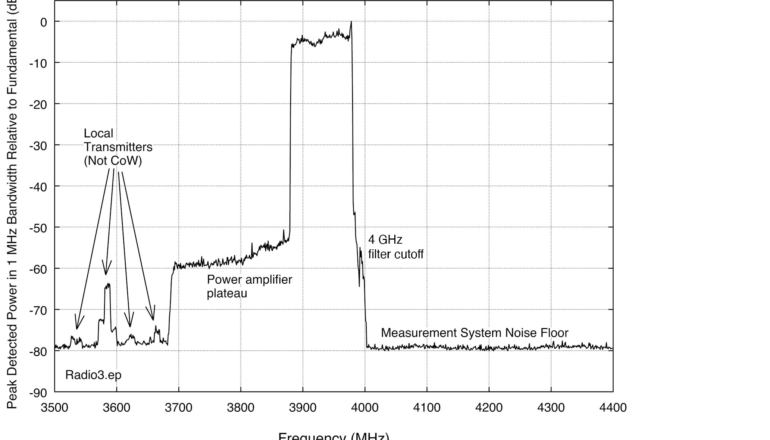
The good news is that Senators Rounds, Fischer, and Cotton have agreed on a framework that restores the FCC’s auction authority in the reconciliation package. This authority lapsed in 2023,…
Untangling Contradictions in Spectrum Policy

the FCC should ignore the pleas of self-appointed Wi-Fi advocates who don’t have the best interests of Wi-Fi users at heart
Dubious Arguments for 7 GHz Wi-Fi
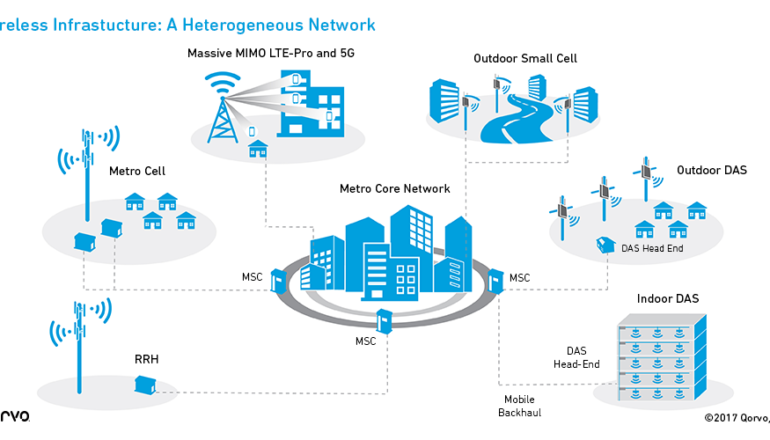
A number of recent studies claim that Wi-Fi is on the verge of collapse – or radical slowdown – unless the FCC assigns the 7 GHz band to unlicensed use:…
The America Offline Hearing

The hearing we previewed in the last post (Spectrum for War and Peace) has wrapped and we now know who’s standing in the way of opening up the spectrum pipeline….
Spectrum for War and Peace

Hudson Institute Fellow Bryan Clark has told the Senate Commerce Committee that it’s better to hoard mid-band spectrum for (vague and poorly-specified) future military purposes than to auction it for…
Progress on Spectrum Allocation
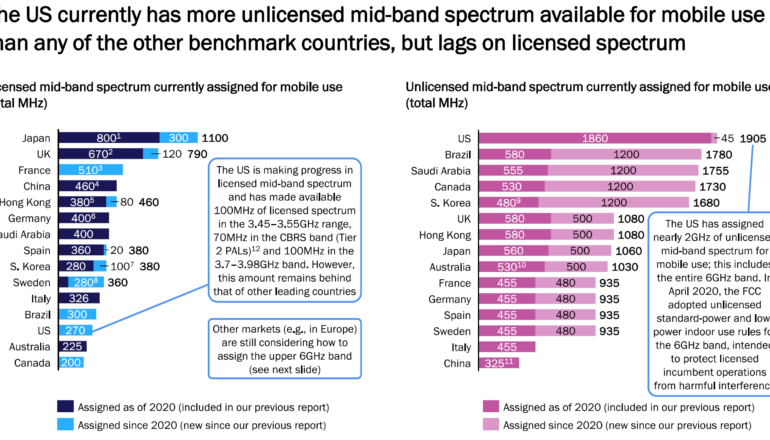
I can only hope that the Senate can put partisan differences aside and focus on what’s good for the nation. We need more 5G and 6G and we need more competition for broadband.
Net Neutrality Reply Comments

Rather than going forward with backward-looking Title II regulations it would be wise for the FCC to issue a Further NPRM seeking comment on the state of competition in the Broadband ISP market. The NPRM barely touches this topic, but it’s actually at the center of the current issue set. There is much the Agency can do to accelerate the transition from a wire-dominant broadband regime to a wireless future in which the Internet is fully pervasive.
Getting Ready for 6G

Harmonization is the name of the game for makers of mobile devices and base stations, so nations that fail to assign the upper 6 GHz band will find themselves with limited options.